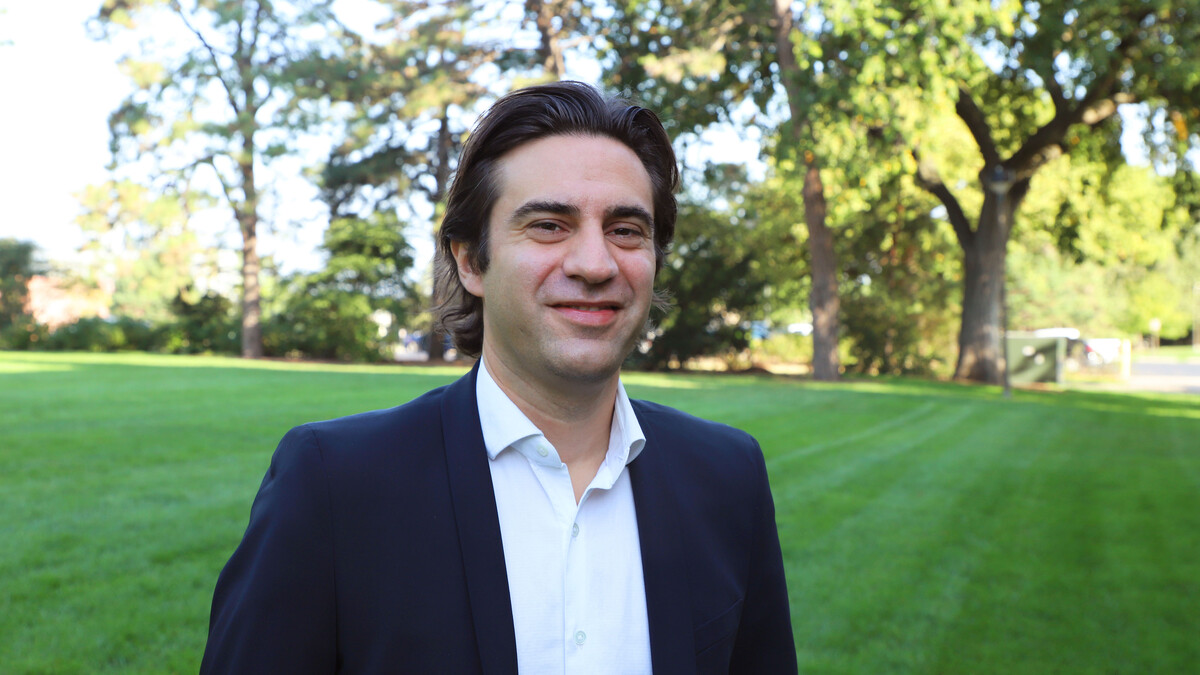
In a split second, the brain determines whether an ambiguous situation is good or bad — and those snap judgments can reveal important information about a person. A new article by Husker psychologist Maital Neta suggests that these responses, known as valence bias, could help identify risk factors for depression, anxiety and other stress-related conditions, and unlock secrets about how the brain works.
Neta, Happold Professor of Psychology and resident faculty in the Center for Brain, Biology and Behavior at the University of Nebraska–Lincoln, published a review in Current Directions in Psychological Science. The article explores the next phase of understanding valence bias across brain networks, and the mental and physical health implications for individuals based on their valence bias.

“There’s been a lot of attention paid in the literature to how people respond to threats, such as spiders or snakes or fearful faces, but much less attention has been paid to how people respond to ambiguity,” Neta said. “How people approach ambiguity says a lot about them. It's a pretty reliable thing about you that's shaped over the course of your life.”
Valence bias develops over the whole lifespan, Neta said. Children are more likely to have a negative valence bias, but around age 10, there is a shift in most children, and they begin to be able to see things more positively. And this shift toward positivity continues throughout aging — older adults typically have more of a positive bias than younger adults.
“It has important implications,” she said. “It's associated with things like depression symptoms, anxiety symptoms, if you are somebody that tends to always interpret these things as being more negative.”
Research shows that children who do not make the transition from predominantly negative to more positive valence bias are at higher risk for depression and anxiety later in life. Similarly, adults with a more negative valence bias are more likely to experience those conditions.
“And that negativity can be linked with greater stress, which can lead to a range of health problems,” Neta said.
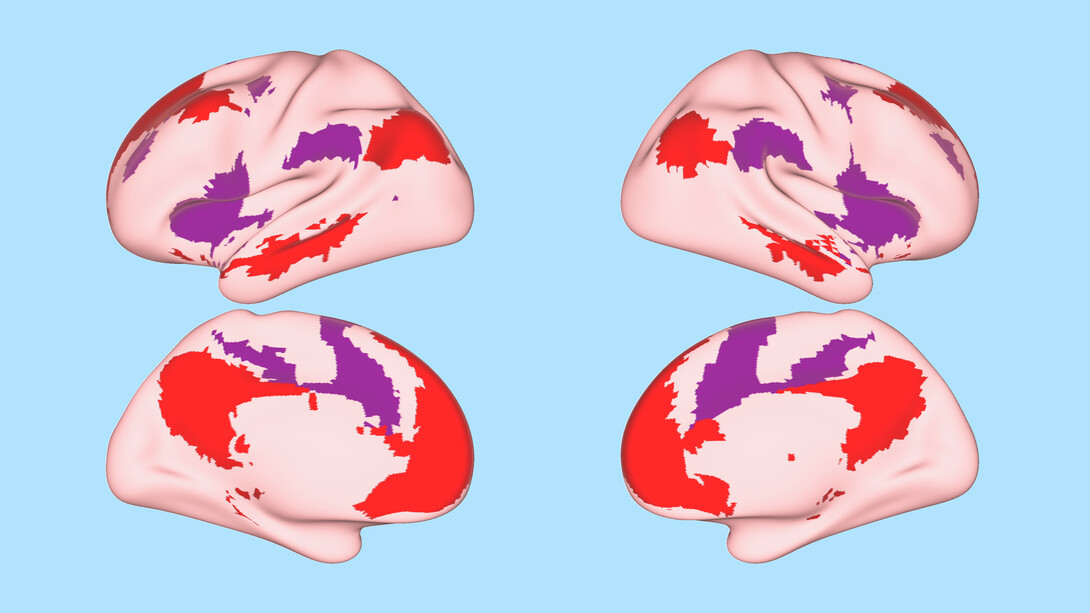
Beyond mental health outcomes, studying responses to ambiguity may also offer insights into how brain networks interact. For decades, research focused primarily on specific brain regions, such as the amygdala, which plays a central role in processing emotion — particularly fear and anxiety. However, in earlier magnetic‑resonance imaging studies of valence bias, Neta made an unexpected discovery.
Instead of finding activation of the amygdala, she found activation of the cingulo-opercular network, which is thought to support cognitive control.
“There really needs to be a much greater appreciation of the entire brain, because your whole brain is kind of working through these situations," Neta said. "There's a whole network of regions that are really important and help resolve what's happening in front of you. Considering the whole brain would really enrich the science moving forward.”
Looking ahead, Neta said she believes that simple assessments of valence bias could be used as early interventions, particularly for children. She is continuing to explore this possibility in forthcoming research.
“If we see that kids are not shifting away from the negativity, and we think they are more likely to develop something like depression or anxiety, can we get in there early and try to help them to shift the bias so that they're put on a better path?” she said.