University of Nebraska–Lincoln
Log In

Log In

Log in to this site as Ryan Dee
  • View Profile
  • Log out
Microsoft 365 -
Storage and Applications
  • Outlook
    Email
  • OneDrive
    Personal Cloud Storage
  • SharePoint
    Shared Cloud Storage
  • Teams
    Collaboration Service
Canvas -
Learning Management System (LMS)

Log into Canvas with your University of Nebraska–Lincoln or TrueYou credentials.

  • MyRed
    Student Information System
  • TrueYou
    Identity Management
  • Bridge
    On-Demand Learning
  • Exam Commons Reservations
    Digital Learning Center (DLC)
  • Firefly
    Employee Portal
  • Handshake
    Career Network
  • NvolveU
    Student Organizations
  • Salesforce
    Student Success Hub
  • Wepa
    Student Printing
  • YuJa
    Academic Video
  • Zoom
    Video Conferencing
  • More services are available in the Service Catalog
Search

Search Form

Nebraska Today
Search
Log In
  • Agriculture & Environment
  • Arts
  • Business & Law
  • On Campus
  • Science & Technology
  • Society & Culture

Menu

  • Visit

    • University of Nebraska–Lincoln
  • Apply to

    • University of Nebraska–Lincoln
  • Give to

    • University of Nebraska–Lincoln
  1. Nebraska
  2. University Communication
  3. Nebraska Today
  4. amino acid

amino acid

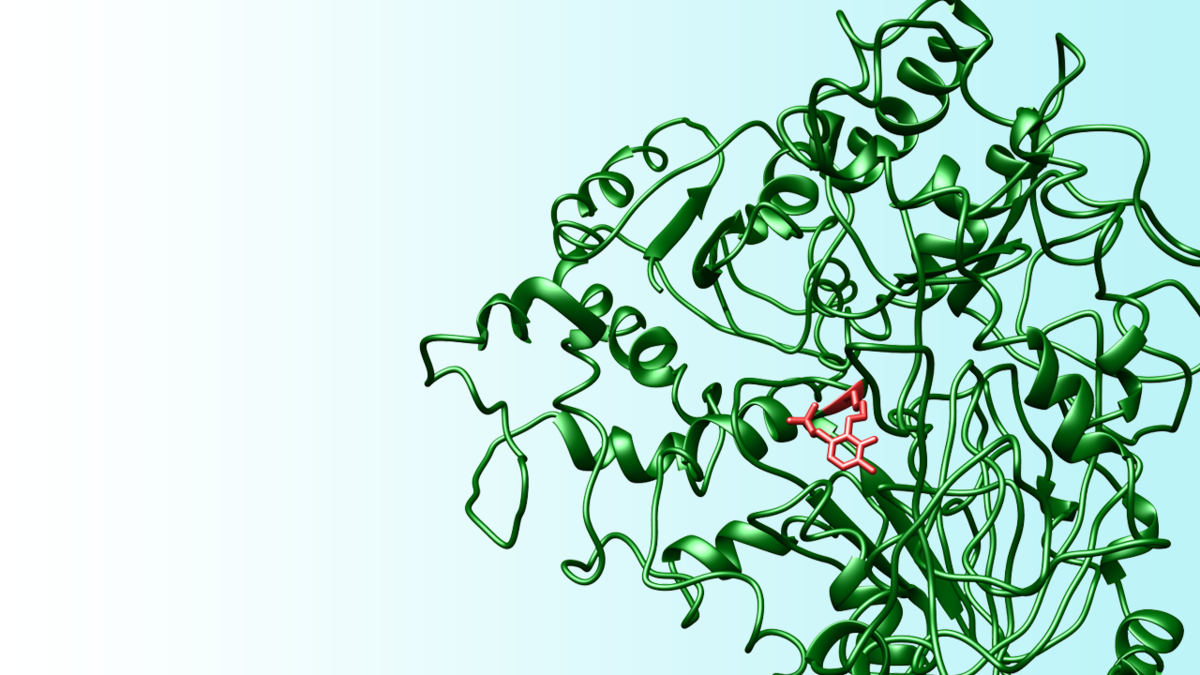
A rendering of an enzyme known as isocyanide hydratase, which accelerates chemical reactions that neutralize a toxic molecule in certain bacteria. Researchers from Nebraska, Stanford, Puerto Rico and Germany used record-intense X-rays to capture dynamics of isocyanide hydratase that were previously only hypothesized, a feat that could point the way to doing the same with other enzymes.
Enzymes and X-rays: Study reveals hidden acrobatics of cellular catalysts
January 22, 2020
Science & Technology
.
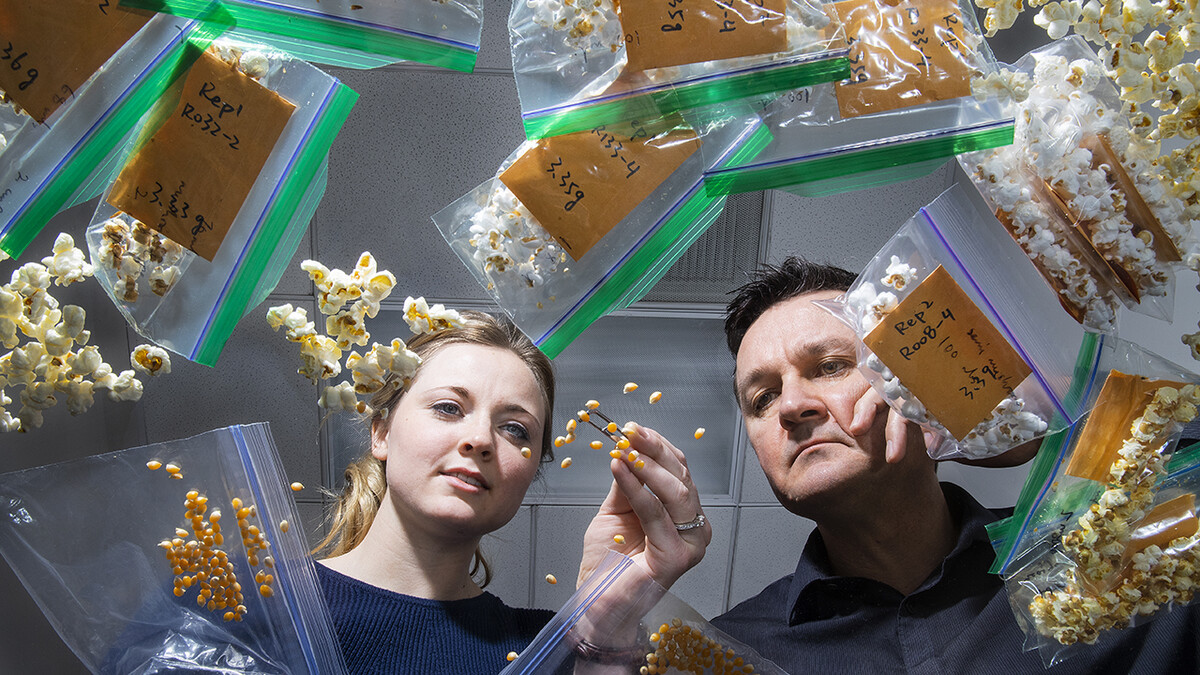
Genes to proteins: Efforts enriching nutrition of popcorn, sorghum
February 18, 2019
Agriculture & Environment
Science & Technology
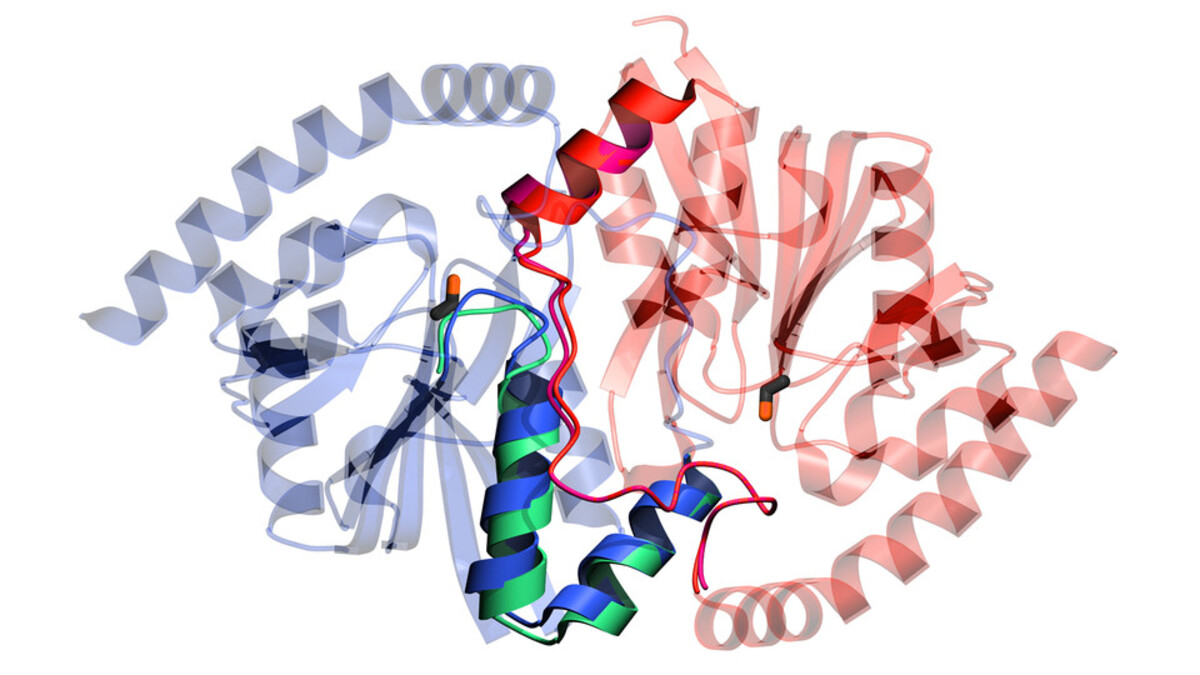
Jay Storz stands on the Tibetan Plateau, more than 15,000 feet above sea level. Storz and his colleagues have shown that many high-altitude bird species underwent different mutations to develop the same adaptation: hemoglobin better at capturing and distributing scarce oxygen.
Study: High-altitude birds evolve similar traits via different mutations
February 19, 2018
Science & Technology
.
Going to the source: Husker chemists target drivers of disease
November 7, 2017
Science & Technology
Water-loving chemist also explores clusters of gold atoms
December 13, 2016
Science & Technology

Contact us

Address
University of Nebraska–Lincoln
1217 Q St.
Lincoln, NE 68588 US
  • About UComm
  • Submit a Story
  • Subscribe to the Email Newsletter
 

Related Links

  • University Communication & Marketing
  • Athletic Department Communications Office
 

Campus Links

  • Directory
  • Employment
  • Events
  • Libraries
  • Maps
  • News
  • Office of the Chancellor
Report an Incident
University of Nebraska–Lincoln
Established 1869 · Copyright 2026
UNL web framework and quality assurance provided by the Web Developer Network · QA Test · Accessibility Statement · Institutional Equity and Compliance · Notice of Nondiscrimination · Privacy Policy · Safety at Nebraska · Student Information Disclosures